

Ask Your Contractor: Concrete or Asphalt for Your Driveway?
Selecting between concrete and asphalt for your driveway is a crucial decision that affects the aesthetics, functionality, and long-term cost of your property. Homeowners often find themselves in a dilemma over which option offers the ideal balance of upfront expenses, durability, and visual appeal. Both choices present unique advantages that cater to various needs and circumstances, whether you are prioritizing structural longevity, environmental impact, or architectural integration. By understanding each material's specific attributes and potential downsides, you can select the surface that aligns with your personal preferences and your property's technical demands.
Understanding Concrete Applications
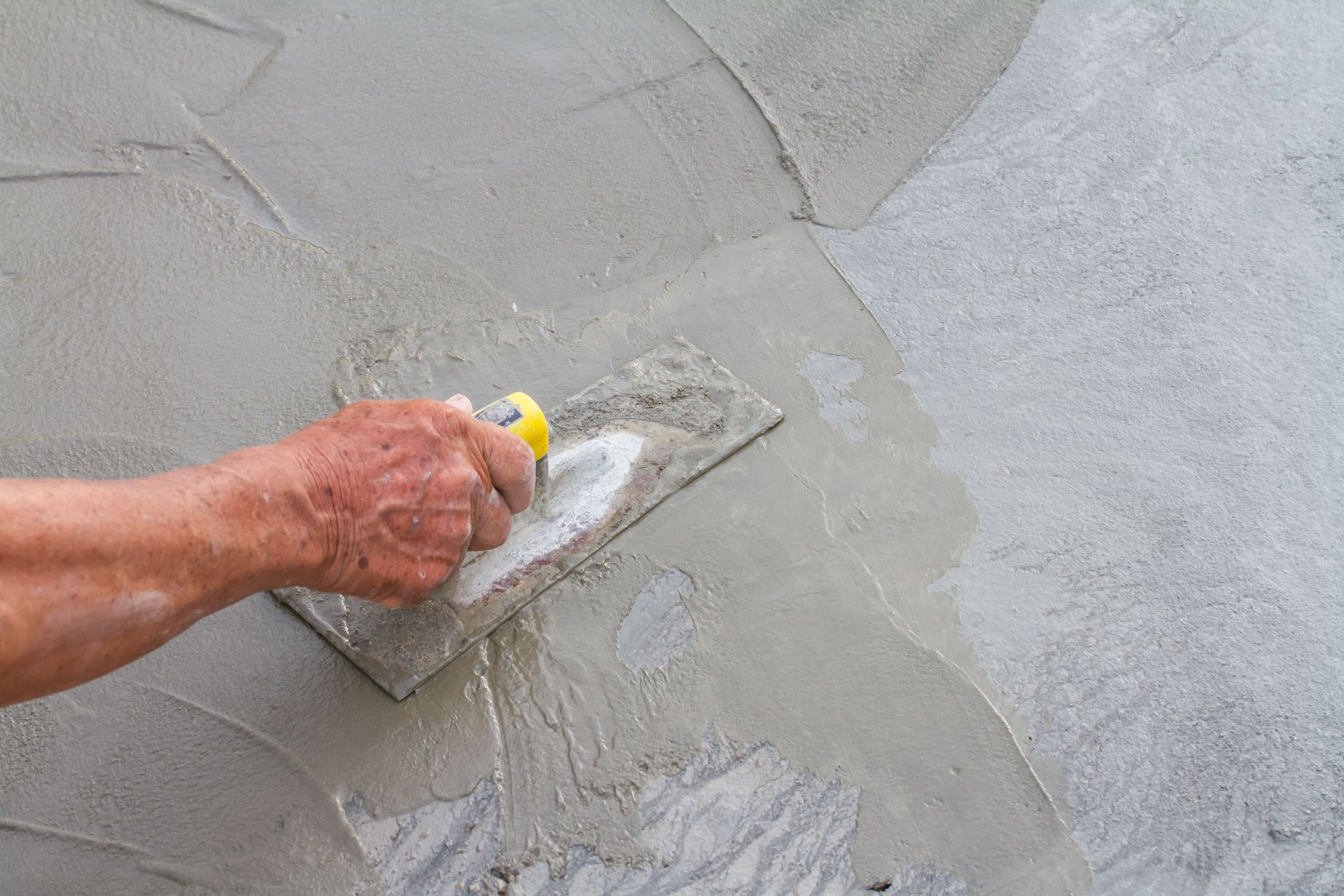
Concrete is a composite material composed primarily of cement, water, and coarse aggregates like sand, gravel, or crushed stone. This precise combination is mixed and allowed to cure, forming a dense surface ideal for heavy residential applications. The final strength depends significantly on the precise ratio of the ingredients, meaning the mixing process requires immense attention to detail.
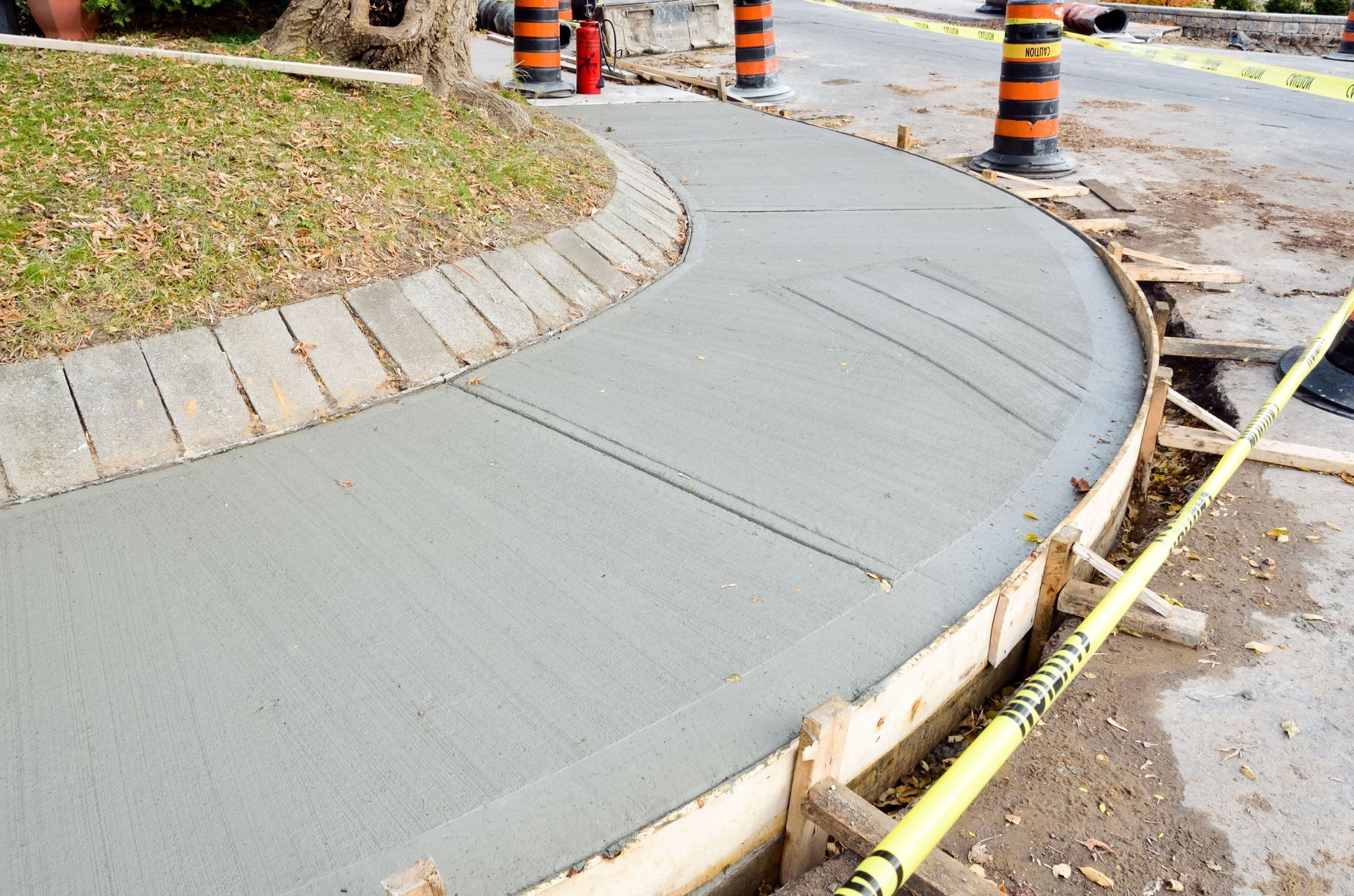
According to research published by Today's Homeowner, a properly installed concrete driveway can provide a service life lasting up to 50 years. This impressive structural lifespan stems from an inherent resistance to mechanical wear and environmental degradation. However, achieving this longevity is entirely contingent upon precise installation and scheduled care, which involves ensuring the underlying ground base is sound and the surface is adequately sealed against moisture. Failing to adhere to recommended practices can lead to early structural failures. Partnering with a qualified concrete contractor ensures that proper subgrade compaction is achieved to prevent shifting.
Evaluating Structural Inclusions
The foremost advantage of selecting this rigid paving material is its long-term durability. As established, a well-built entry path can endure for up to five decades, making it a highly cost-effective long-term investment despite having a larger upfront price tag. In addition, it offers significant design versatility. The surface can be integrally colored, chemically stained, exposed, or stamped to match any architectural style, easily mimicking premium materials like natural stone, slate, or brick. This flexibility allows property owners to dramatically enhance curb appeal without sacrificing durability.
From an environmental standpoint, modern solid surfacing possesses several notable advantages. Its production can utilize sustainable structural methods, such as sourcing localized aggregates and incorporating supplementary cementitious materials that minimize the overall carbon footprint. The cured material is also completely recyclable, allowing old slabs to be crushed and repurposed into fresh construction projects to minimize landfill waste. These factors, coupled with long-term structural viability, reinforce its position as a practical choice for eco-conscious owners.
Identifying Material Vulnerabilities
Despite its distinct advantages, a rigid surface is not without drawbacks. The main disadvantage is the initial installation cost, which is generally higher than that of flexible paving options. This upfront expenditure can be a deterrent for budget-conscious property owners, though it is usually offset by the lack of replacement cycles over fifty years. Pouring a rigid slab also requires an extended curing timeframe, often taking several days to cure for vehicular traffic. This delay can introduce minor inconveniences depending on regional weather patterns.
Light-colored surfaces are also vulnerable to surface discoloration and chemical staining. Motor oil, transmission fluid, rust, and tire marks can leave unwelcome blemishes on unsealed driveways, necessitating specialized pressure cleaning. This proves challenging in high-traffic parking areas exposed to vehicles with fluid leaks. Neglecting to protect the surface from these penetrative stains can degrade its clean aesthetic, particularly if protective sealing layers are skipped. Therefore, ongoing monitoring by a reputable concrete contractor is required to preserve a flawless appearance over time.
Examining Asphalt Applications
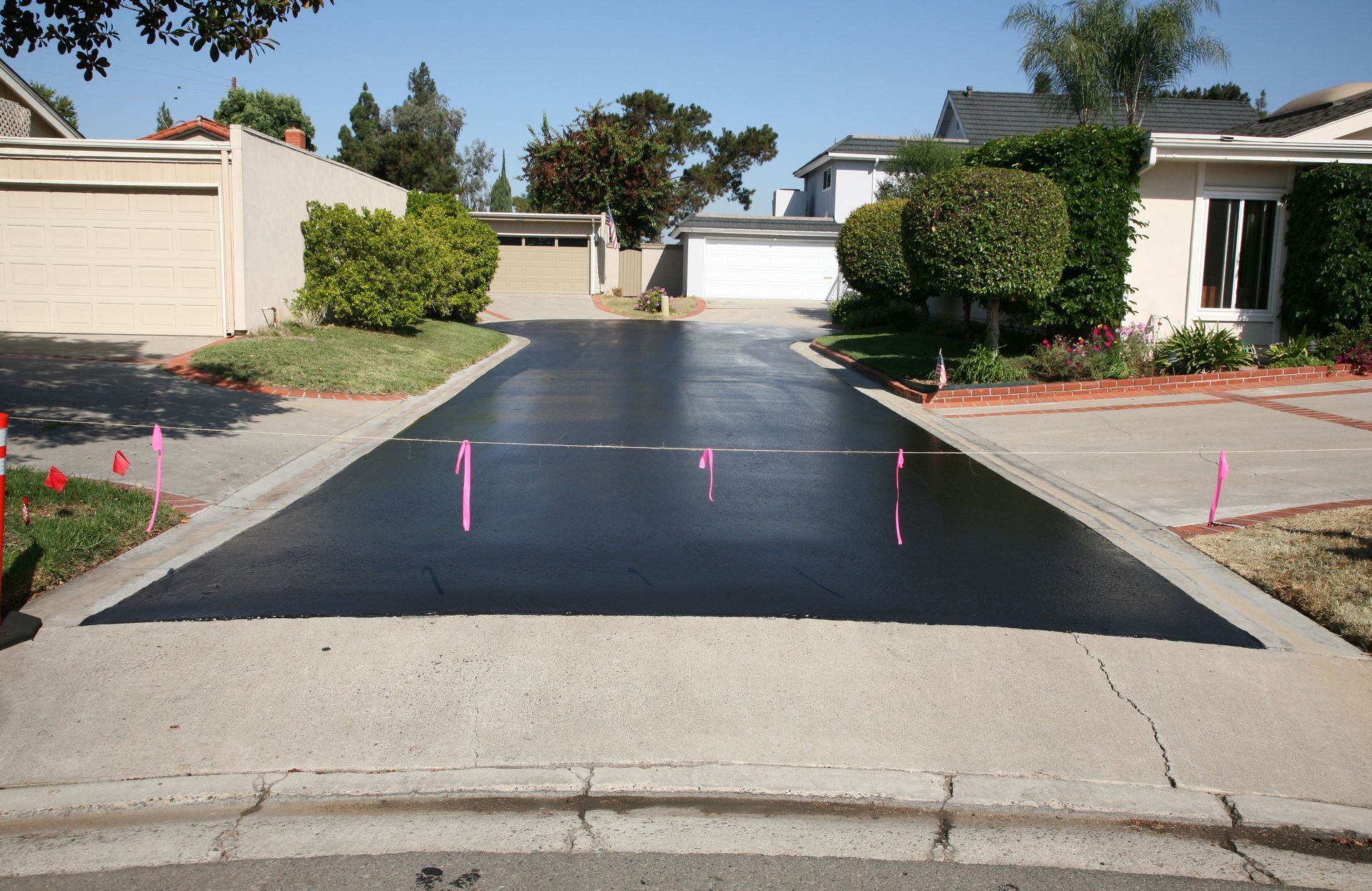
Asphalt is a flexible composite material made from mineral aggregates mixed thoroughly with a petroleum-based bitumen binder. This dark mixture is laid down at high temperatures and compacted using heavy vibratory rollers to create a dense, smooth driving surface. The bitumen acts as the primary adhesive component, binding the aggregate rocks together and giving the pavement its characteristic black coloration and structural flexibility. Its dark surface naturally absorbs sunlight, which aids in melting ice and accumulating quickly during winter seasons.
The production of flexible pavement involves heating the combined aggregates and bitumen to high temperatures to ensure complete binding. This temperature control is crucial because the viscosity of the bitumen changes based on heat, directly influencing the compaction density of the final layer. Once laid down, adequate mechanical compaction ensures there are minimal internal air voids, providing enough strength to support standard vehicular weight while reducing water permeability. This lessens the risk of internal water ingress, which is the primary culprit behind seasonal frost heaving.
Evaluating Pavement Benefits
One substantial advantage of selecting flexible pavement is its immediate affordability. As a lower-cost alternative, it offers considerable savings on initial installation compared to rigid options, making it appealing for expansive private lanes or properties with strict budget limits. Despite its lower initial price tag, flexible pavement presents remarkable structural flexibility, which reduces its susceptibility to deep breaking. This resilience against natural material expansion and contraction ensures it endures subgrade movement with minimal immediate failure.
The scheduling timeline for a flexible installation with an expert concrete contractor is relatively short, allowing property owners to utilize the driving surface quickly. Its dark, smooth surface also provides excellent tire traction, enhancing safety during rainy conditions.
Fresh flexible pavement boasts a clean aesthetic appeal as well. Characterized by a deep black, consistent finish, it provides a sleek, contemporary look that frames your property beautifully. Its smooth texture creates a neutral canvas that highlights adjoining landscaping features or colorful architectural elements, enhancing overall curb appeal.
Comparing Maintenance and Weather Dynamics
Proper maintenance for a rigid driveway involves periodic pressure cleaning and applying protective sealants to block chemical penetration. In our experience, sealing the surface every two to four years protects the underlying aggregate from moisture intrusion and chemical scaling caused by de-icing salts. Homeowners can ensure their investment remains in pristine condition throughout its long service life by addressing hairline fractures with specialized patching compounds immediately.
Conversely, maintaining a flexible pavement driveway requires regular seal coating to combat the drying effects of sun exposure. Property owners must also fill open cracks with hot-poured rubberized sealants to prevent rain from reaching the supporting subbase soil, which stops potholes from forming.
Navigating Climate Adjustments
A rigid driveway surface is advantageous in hot climates because it reflects solar radiation, keeping the property cooler. However, prolonged heat exposure can accelerate the setting times during a pour, requiring an experienced concrete contractor to manage hydration levels properly. In contrast, flexible pavement absorbs heat rapidly, which can cause the binder to soften and rut under heavy weight during extreme summer heatwaves.
In freezing climates, flexible pavement adapts well to ground heaving because its flexible nature allows it to bend without breaking. However, low temperatures can make older pavement brittle and prone to edge cracking. A rigid layout handles cold temperatures exceptionally well, but if water gets beneath the slab and freezes, it can cause surface spalling. Hiring a professional concrete contractor to install a robust gravel drainage bed under your driveway is vital to preventing frost damage.
Bypassing common installation errors requires a thorough evaluation of your budget, local climate trends, and long-term property goals. Investing in a permanent entryway provides significant long-term financial savings by eliminating the need for frequent replacement cycles. Meticulous subgrade preparation, correct water shedding slopes, and quality material pouring ensure your driving path remains flawless for decades.
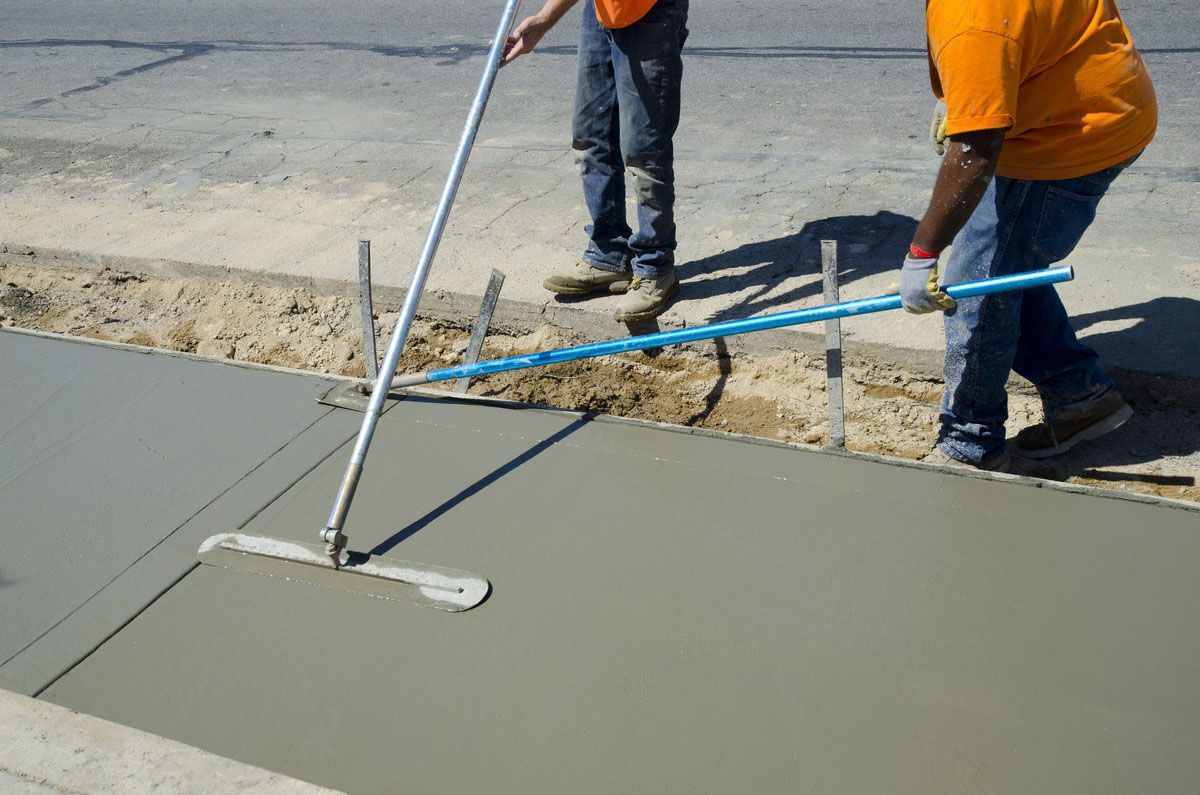
When property owners need specialized residential masonry work or durable flatwork installations, choosing an established concrete contractor ensures a beautiful, long-lasting structure. Contact Paradigm Concrete & Construction Inc to handle your upcoming placement project, decorative finishing, and protective maintenance needs with precision.
Share On: